About GI PATTI
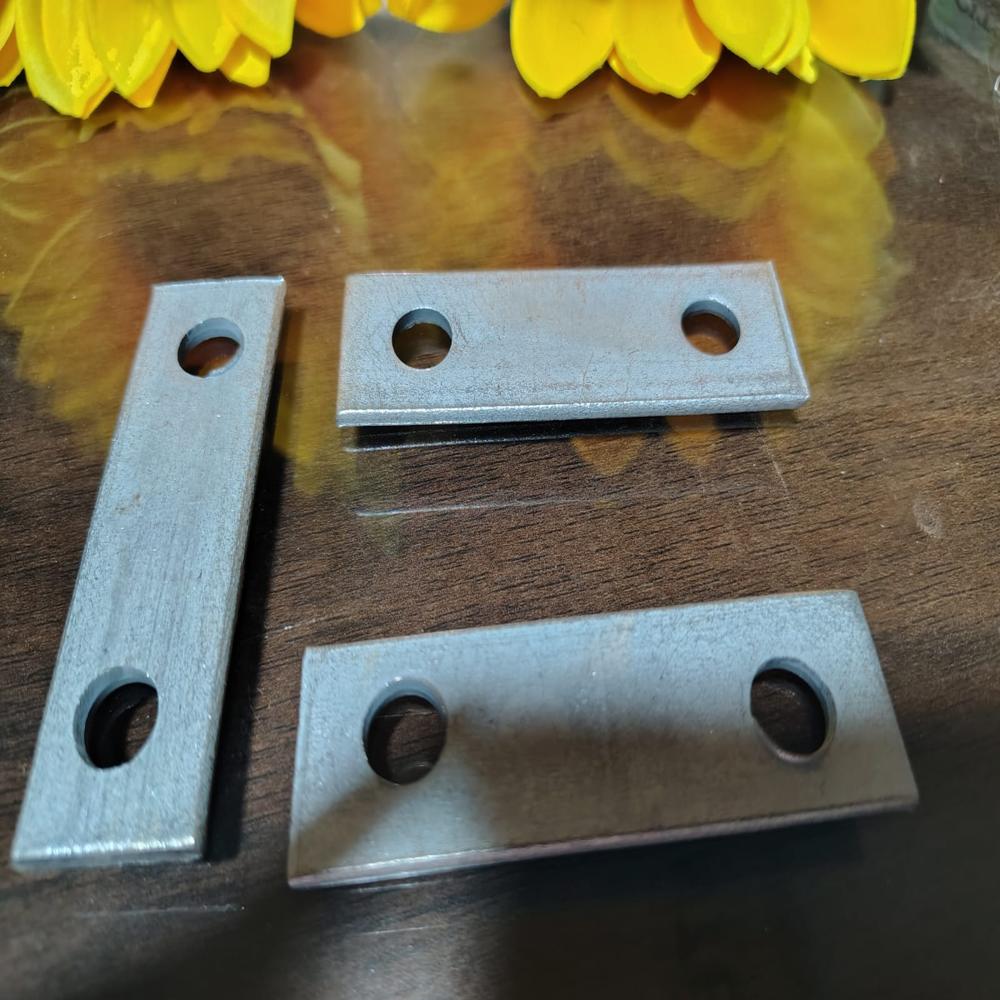
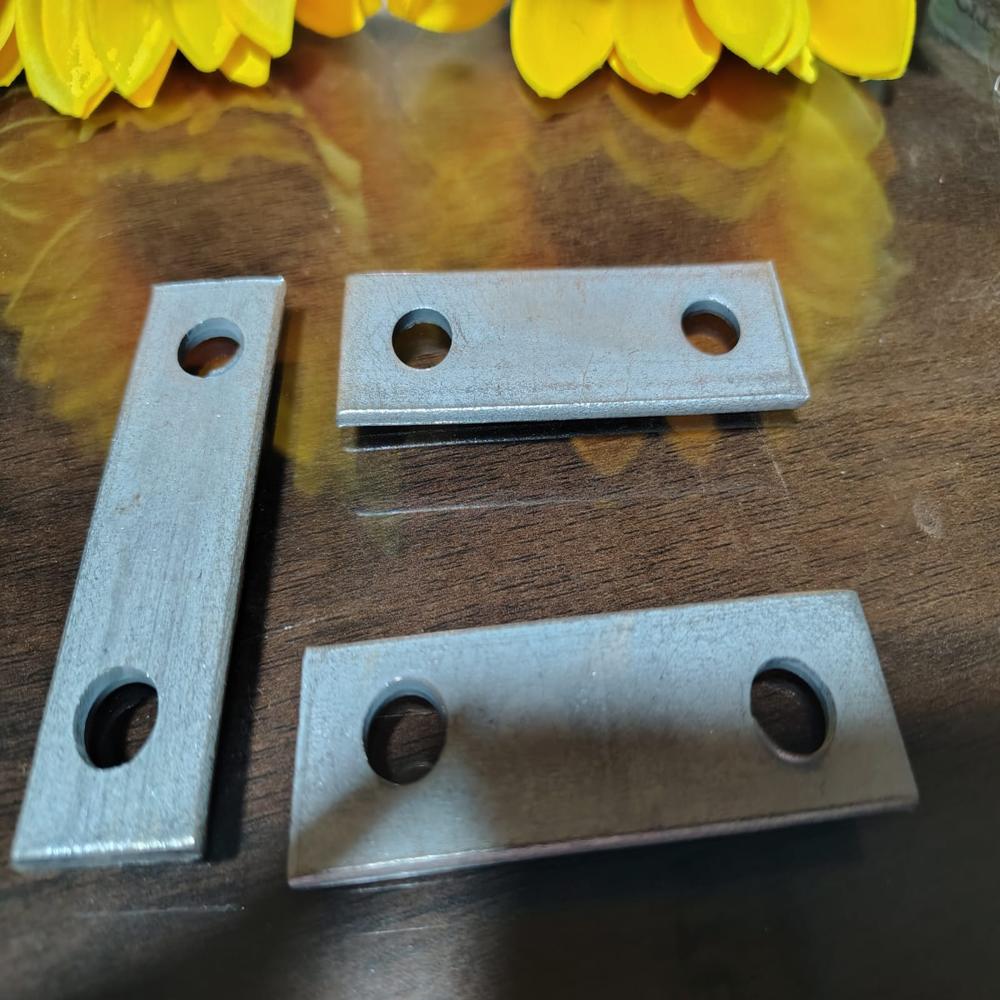
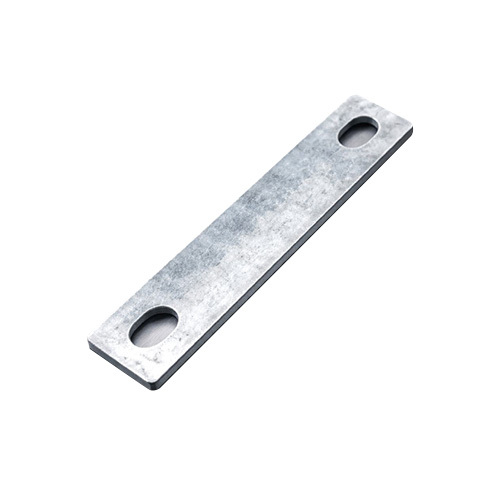
GI Patti 2 Hole 4 Inch is a galvanized iron flat strip designed for secure fastening and support applications in solar panel mounting structures, electrical installations, cable management systems, and general fabrication works. Manufactured from high-quality GI steel, it offers excellent strength, corrosion resistance, and long service life in indoor and outdoor environments. The two pre-drilled holes allow quick and easy installation using bolts and nuts, ensuring reliable structural support.
Specifications
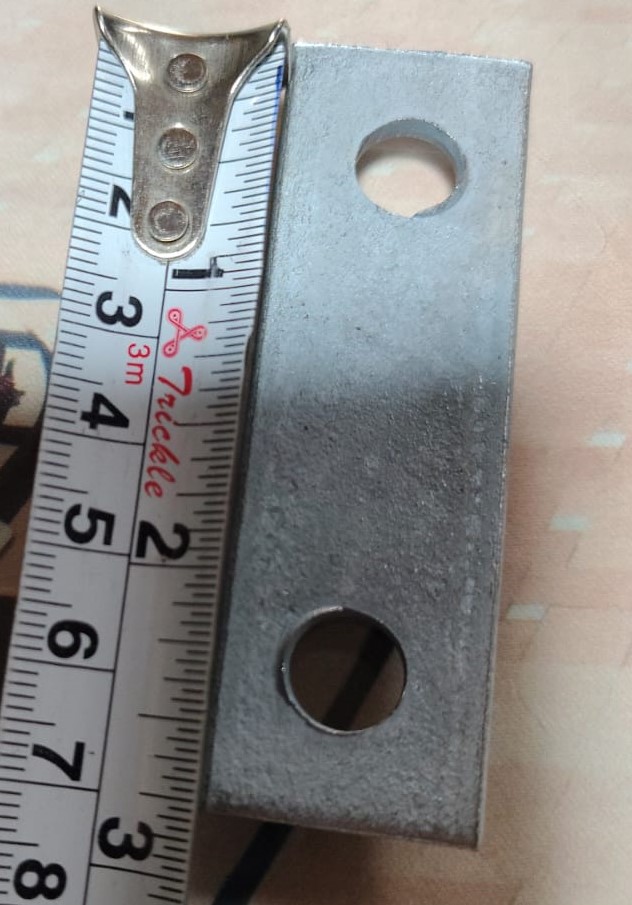
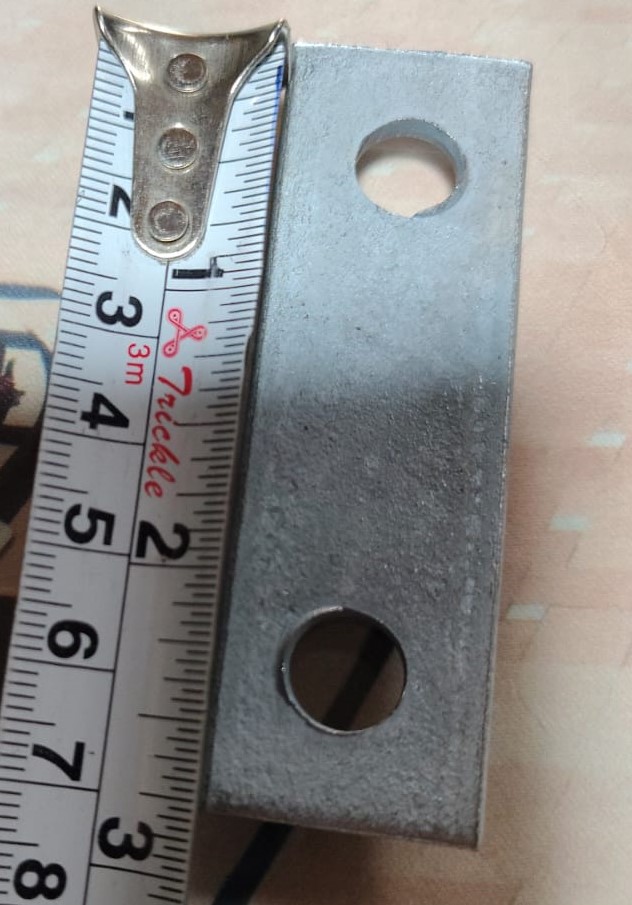
- Product Name: GI Patti 2 Hole 4 Inch
- Material: Galvanized Iron (GI)
- Length: 4 Inch (Approx. 100 mm)
- Type: Flat Connecting Patti / Joining Plate
- Number of Holes: 2
- Hole Type: Pre-drilled Countersunk Holes
- Finish: Hot-Dip Galvanized / Electro Galvanized
- Shape: Flat Rectangular Strip
- Corrosion Resistance: Yes
- Installation Type: Bolt & Nut Fixing
- Application: Solar Mounting Structures, Earthing Systems, Cable Tray Supports, Electrical and Industrial Fabrication
- Operating Temperature: -20C to +80C
- Color: Silver
- Features: Durable, Rust Resistant, High Strength, Easy Installation, Long Service Life
Uses
- Solar panel mounting structure connections
- Earthing and grounding installations
- Cable tray support systems
- Electrical panel and equipment mounting
- Industrial and construction fastening application
-
Reliable Construction and Galvanized FinishCrafted from galvanized iron steel and sheets, this GI Patti features a robust galvanized finish, providing enhanced protection against rust and weathering. The aluminum alloy frame material adds to the structural integrity, ensuring long-lasting performance in varied environments. Its flat, rectangular design is ideal for mounting and structural reinforcement.
Versatile Applications Across IndustriesThe GI Patti is suitable for homes, industrial settings, and commercial spaces. Its practicality is highlighted by easy surface mounting, and it effortlessly integrates into electrical, mechanical, and structural projects. The low-maintenance nature ensures reduced downtime and maintenance costs, making it highly efficient for frequent-use locations.
FAQ's of GI PATTI:
Q: How should the GI Patti be installed for optimum performance?
A: The GI Patti is designed for surface mounting. Ensure the mounting surface is clean and flat, then affix the strip using appropriate fasteners for the material. This ensures maximum conductivity and stability, crucial for electrical or structural applications.
Q: What are the main benefits of the galvanized finish on this GI Patti?
A: The galvanized finish protects the patti from corrosion, rust, and external factors, greatly enhancing its longevity. This makes it especially suitable for environments exposed to moisture or temperature fluctuations, reducing the need for frequent maintenance.
Q: When is it appropriate to use a GI Patti with a manual switch mode?
A: A GI Patti with manual switch mode is ideal when you require direct, mechanical control over electrical connectivity or grounding-commonly in maintenance areas, circuit protection, or custom installations where operational flexibility is desired.
Q: Where can this GI Patti be utilized most effectively?
A: This GI Patti is highly effective in home electrical setups, industrial machinery panels, and commercial building infrastructures. It offers reliable conductivity, structural reinforcement, and secure mounting, making it versatile for both indoor and outdoor applications.
Q: What is the process of surface treatment applied to this GI Patti?
A: The GI Patti undergoes a galvanization process, in which it is coated with a protective layer of zinc. This process increases resistance to oxidation, extends the product's life, and keeps maintenance requirements minimal.
Q: How does its efficiency and input voltage compatibility benefit usage?
A: With an efficiency of 99.9% and the ability to handle up to 1000V DC/1100V, the GI Patti ensures minimal transmission losses and supports critical, high-voltage operations. This facilitates its use in demanding electrical environments.

 Send Inquiry





 Send Inquiry

 Send Inquiry


 English
 Spanish
 French
 German
 Italian
 Chinese (Simplified)
 Japanese
 Korean
 Arabic
 Portuguese